

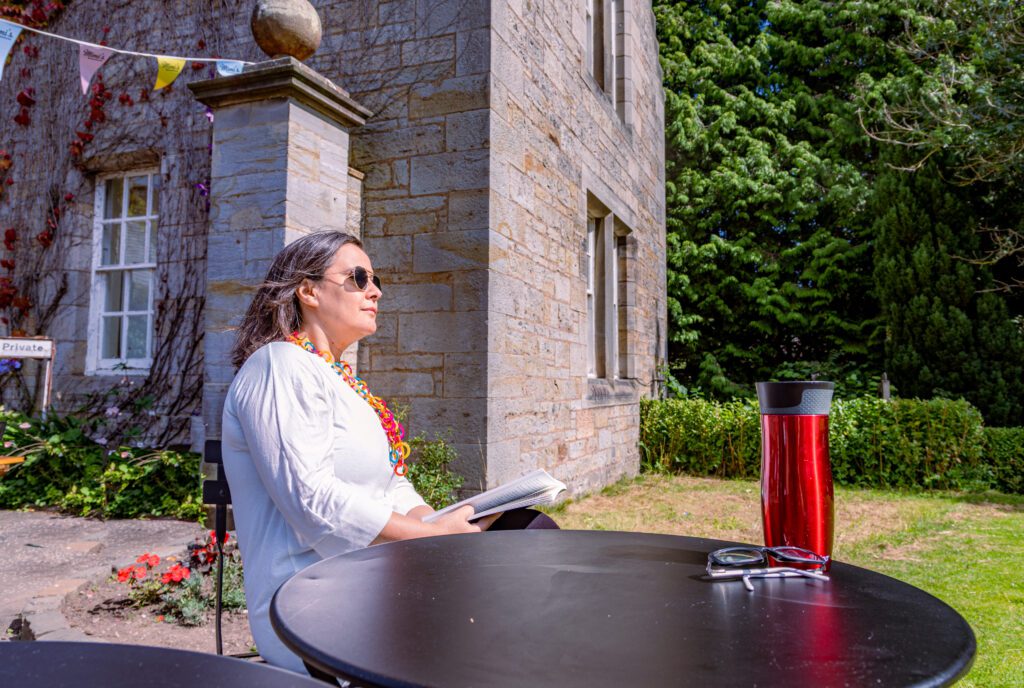
Every summer, millions of people pack their suitcases, switch on their out-of-office messages and look forward to slowing down. For many, it’s a season of family holidays, weekend escapes and long evenings spent outdoors and creating memories with people they love.
But that isn’t everyone’s experience.
For those working in tourism and hospitality, summer often looks very different. While others are switching off, this is the busiest, most demanding time of the year. Hotels are full, attractions are at capacity, transport schedules are under pressure, and tours run back-to-back. Every day brings new challenges, and behind every seamless holiday is a team of people working hard to make it happen.
Having experienced summer from two different roles within the travel industry, I’ve come to appreciate just how much happens behind the scenes. I’ve worked as a tour guide during Edinburgh’s busiest season and, more recently, in operations for the same tour company before returning to guiding. Although the roles are very different, they’ve taught me the same lesson.
The busiest jobs aren’t always the ones with the longest to-do lists.
They’re often the ones that require constant decisions, continuous problem-solving and the ability to adapt calmly when plans change.
The invisible work behind every memorable holiday
When people arrive for a tour, they usually see the guide who welcomes them and the experience that follows. What they don’t see is everything that has already happened before the first guest steps onto the coach.
Before the day even begins, someone has already been:
- Assigning guides and coordinating schedules
- Organising vehicles and transport logistics
- Checking timetables and confirming departures
- Monitoring weather forecasts and planning for disruptions
- Reviewing road closures and alternative routes
- Balancing visitor numbers across tours
- Managing cancellations and last-minute bookings
- Covering unexpected staff absences
- Responding to customer enquiries and special requests
The smoother the day appears, the more likely it is that someone has quietly solved a dozen problems before anyone else even noticed they existed.
One thing the operations role showed me very clearly is that excellent customer experiences rarely happen by chance. They are the result of countless decisions, careful planning and people adapting throughout the day so that guests can simply enjoy the journey.
Why busy seasons create more than just extra work
Peak season does not simply bring longer hours. It brings a relentless stream of decisions. Weather affects routes. Transport delays require alternative plans. Guest numbers change. Someone calls in sick. A booking changes at the last minute. A road closes unexpectedly. One adjustment creates another, and before long, the mental load builds.
I’ve spent years helping people understand the impact of decision fatigue through my work as a productivity coach. Working in tourism has allowed me to see exactly the same principle from a completely different perspective.
The people who keep everything running smoothly aren’t simply working hard. They’re making hundreds of decisions, often under pressure and often without anyone ever seeing the complexity behind them.
That mental flexibility is one of the most underestimated skills in any service-based profession.
The pressure of creating memorable experiences
One of the things that struck me most, both as a guide and in operations, is how much people genuinely care about giving guests a wonderful experience.
Most visitors have planned their holiday for months. They’ve invested both time and money, and naturally they want everything to go well. The people working behind the scenes understand that.
Even when unexpected challenges arise, the goal remains the same: to help guests enjoy their day.
That level of professionalism often means solving problems quietly, adapting quickly and remaining calm under pressure. Visitors rarely see those conversations because the focus is on ensuring that small disruptions don’t become the memories they take home.
That’s the mark of excellent service. The best customer experiences often feel effortless, precisely because somebody else has absorbed the complexity.
The reality for parents working in tourism and hospitality
Summer can be particularly challenging for parents working in tourism and hospitality.
While many families look forward to spending the school holidays together, people working in these industries are often entering their busiest period of the year.
Annual leave may be limited because demand is at its highest. Weekends become working days. Longer shifts become more common. Childcare arrangements require careful planning, and family events are sometimes missed because this is precisely when businesses need their teams the most.
It’s a reality that isn’t talked about very often.
Behind many successful tourist destinations are parents balancing professional responsibilities with family life, while helping others create lasting memories.
Their summer doesn’t always look like everyone else’s.
Yet they continue turning up with professionalism, resilience and a genuine commitment to helping others enjoy their own holidays.
What working in tourism has reinforced about productivity
One of the reasons working in the travel industry has reinforced something I’ve believed for a long time is that I’ve seen these principles play out in real life, often under pressure.
Real productivity isn’t about doing more.
It’s about protecting your energy so you can continue making good decisions, even when circumstances are changing around you.
In busy environments, nobody benefits from rushing for the sake of it. What matters is staying focused, simplifying wherever possible and knowing which decisions genuinely need your attention.
I’ve seen how clear systems reduce unnecessary pressure. I’ve seen how good communication prevents countless problems before they happen. I’vealso seen how experienced teams remain calm because they don’t waste energy on decisions that can be simplified or planned in advance.
These are the same principles at the heart of my S.O.U.L.® System and my approach to Joyful Productivity.
Whether you’re running a business, leading a team or coordinating tours during peak season, creating systems that reduce mental load allows you to focus your energy where it has the greatest impact.
Looking beyond the holiday
The next time you’re enjoying a guided tour, checking into a hotel or visiting a busy attraction, it’s worth remembering that your experience has almost certainly been shaped by people you’ll never meet.
Operations teams coordinating logistics.
Guides adapting to changing circumstances.
Drivers navigating unexpected delays.
Customer service teams resolving last-minute questions.
Managers making dozens of decisions before the day has properly begun.
Every memorable holiday depends on countless professionals working behind the scenes, many of whom are experiencing their busiest season while everyone else is taking a break.
For me, working in tourism has been another reminder that productivity isn’t measured by how busy we look or how many hours we work. It’s measured by how well we protect our energy, simplify unnecessary decisions and stay present in the moments that matter most.
Sometimes the most valuable work is the work nobody ever sees.
And this summer, I’d like to recognise the people quietly making unforgettable experiences possible for everyone else.
FAQs
Why is summer the busiest time for the tourism industry?
Summer is the peak travel season in many destinations. Higher visitor numbers mean hotels, tour operators, attractions and transport providers manage increased demand, more complex logistics and frequent last-minute changes.
What makes working in tourism stressful during summer?
The challenge isn’t only the workload. Peak season brings constant decision-making, problem-solving and adapting to changing circumstances, which can create significant mental load and decision fatigue.
How can hospitality professionals avoid burnout during busy seasons?
Protecting energy through clear systems, good communication, realistic priorities and reducing unnecessary decisions can help professionals remain effective during demanding periods.
What is decision fatigue at work?
Decision fatigue is the mental exhaustion that builds after making repeated decisions throughout the day. In fast-paced industries such as tourism and hospitality, it can affect focus, energy and overall wellbeing if not managed intentionally.
